

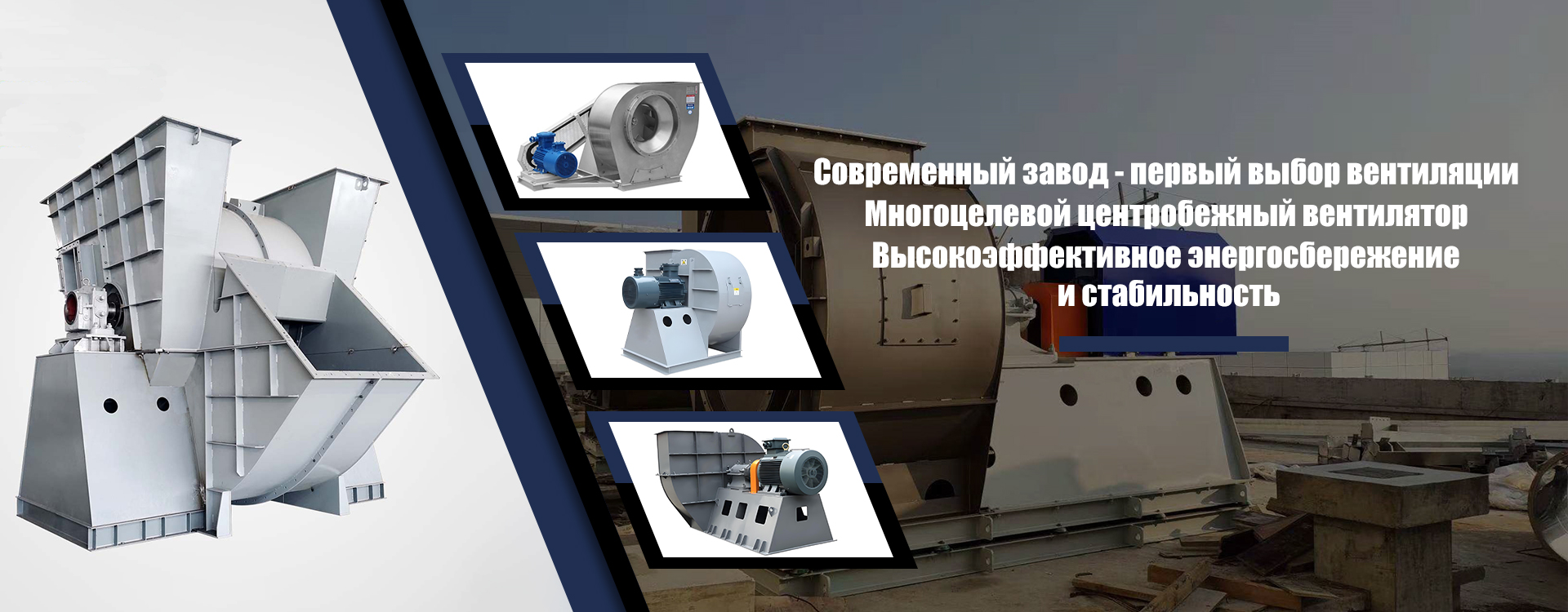
Why doesn't the fan work and the electric motor does not start? Pay attention to these important aspects and prevent breakdowns!
2025-03-14
Problems with fans and their electric motors is one of the most common reasons why the equipment at industrial facilities and buildings fails. Ventilation systems are an important element for maintaining normal working conditions, especially in large production facilities, mines, warehouses and other facilities. If the fan has stopped working or its electric motor does not start, this can lead to serious consequences, such as deterioration in air quality, increasing temperature in the rooms and decreasing performance. In this article, we will consider the main reasons why the fan can fail, and also give recommendations for their diagnosis and elimination.http://www.hengdingfan.ru
1. Causes of fan and electric motor breakdown
1.1 engine overload
One of the most common causes of fan breakdown is the overload of the electric motor. If the fan operates with too high loading or on non -appropriate operating conditions, the engine can overheat, which will lead to its failure. This can happen if the fan is installed in a too close room or is used in the system where there are large air resistances.
1.2 power supply
Another reason for the breakdown may be a failure in the mains or power supply. An unstable voltage or its changes can cause breakdowns of the electric motor. If the fan does not receive the required voltage for work, the engine will not start or will not work with proper power.
1.3 incorrect installation or installation
Incorrect installation of the fan can also lead to its breakdown. An incorrectly installed fan that is not leveled properly or not fixed can create an imbalance in the system. This will lead to an increase in vibration, wear of bearings and other malfunctions that can lead to a complete failure of the equipment.
1.4 Fan clogging
Fan clogging with dust, dirt or other extraneous objects is another common cause of its breakdown. The accumulation of pollution on the fan blades or in the ducts can disrupt the normal operation of the system by reducing performance and increasing the load on the engine.
1.5 Damage to the bearings
The fan bearings are one of the most vulnerable parts. Wear or damage to the bearings can lead to failures in the fan and ultimately to its breakdown. This may be due to improper lubrication, insufficient ventilation or mechanical damage.
1.6 Electric malfunctions
The breakdown of the electric motor can be caused by a short circuit, damage to the wiring, malfunctions in the electric circle or malfunctions of the electric motor itself. Such problems can lead to the fact that the fan does not start or works with interruptions.
2. How to diagnose breakdowns of a fan and electric motor?
2.1 Power supply check
The first step for diagnosing a fan malfunction is to check the power supply. Make sure that the fan is connected to the power source, and that the voltage is stable. If the power is unstable or the voltage drops occur on the network, this can be the cause of the electric motor breakdown.
2.2 Inspection of the fan for the presence of blockages
Check if the fan has closed. To do this, turn off the equipment from the network and inspect the fan blades and air ducts for the presence of foreign objects. Clean all the elements and make sure that the air passes freely. Flowing can cause engine overheating.
2.3 Verification of bearings
If the fan begins to make strange sounds or vibrate, this may indicate problems with bearings. To check the bearings, turn off the fan and manually pump the blades. If the bearings are damaged, this will be visible by their condition or by the presence of play.
2.4 engine load rating
Evaluate if the electric motor is overloaded. If the fan works in conditions of high load, its engine can overheat, which will lead to its damage. If so, it may be necessary to reduce the load on the fan or replace it with a more powerful one.
2.5 testing of the electric motor
To diagnose the electric motor, use a multimeter to check the voltage and wiring resistance. You can also check the presence of a short circuit in the engine windings. If testing shows a malfunction, you may need to replace the engine.
3. How to avoid breakdowns and extend the fan service?
3.1 regular maintenance
To prevent breakdowns and extend the fan service life, regular maintenance must be carried out. This includes checking all key components, such as bearings, electrical connections, the condition of the blades and the cleansing of the system from dust and dirt.
3.2 Proper operation
It is very important to operate the fan in accordance with the recommendations of the manufacturer. This includes the correct setting of the fan operation, depending on the load and operating conditions. Equipment overload should also be avoided.
3.3 Use of protective devices
The use of protective devices, such as protective grilles, filters and voltage limiters, can help prevent breakdowns of the fan and electric motor, especially in working with contaminated and aggressive media.
3.4 staff traininghttp://www.hengdingfan.ru
Education of employees of proper operation and maintenance of the fan also helps to avoid breakdowns. Regular briefings and knowledge testing will help staff quickly identify problems and eliminate them in the early stages.
3.5 Replacing old or worn out elements
Do not forget to replace the old or worn components of the fan in a timely manner, such as bearings, belts and other elements that can lead to breakdowns.
4. How to prevent problems with the electric motor and fan?
4.1 Using high -quality equipment
When choosing a fan and electric motor, be sure to pay attention to the quality of the equipment. High -quality technique, which meets the standards and requirements, will work longer and more reliable, requiring less attention to repair.
4.2 installation of a monitoring system
Modern monitoring systems allow you to monitor the condition of the fan in real time. Using such systems, it is possible to identify possible malfunctions in advance, such as overheating or increased vibrations, and quickly eliminate them before they lead to a breakdown.
4.3 Timely elimination of malfunctions
Do not postpone the elimination of malfunctions. Even small problems, such as noise or vibrations, can lead to serious damage if they are not eliminated on time. Regular diagnosis and prevention will help to avoid large breakdowns.
Conclusion http://www.hengdingfan.ru
Damage of the fan and electric motor often occurs due to small, but important factors, such as malnutrition, overload, clogging or wear of the components. To prevent these problems, it is important to regularly check the equipment, properly operate and conduct maintenance. Following these recommendations, you can ensure the durable and stable operation of the fan, which in turn will increase the efficiency of the enterprise and reduce the cost of repairs.



Please leave us a message
- Russian
- English
- French
- German
- Portuguese
- Spanish
- Japanese
- Korean
- Arabic
- Turkish
- Italian
- Indonesian
- Swedish
- Azerbaijani
- Belarusian
- Bengali
- Bosnian
- Bulgarian
- Telugu
- Ukrainian
- Uzbek
- Vietnamese